Afternoon tea is a cherished British tradition that dates back to the early 19th century. Originating as a light meal to bridge the gap between lunch and dinner, it has evolved into a cultural experience enjoyed by locals and visitors alike. In London, the tradition is kept alive through a range of establishments, from historic hotels to quaint tea rooms, each offering its own interpretation of this timeless ritual. This guide explores the essence of afternoon tea in London, focusing on the selection of venues, the art of tea blending, and the etiquette that accompanies the experience.
Understanding the rituals and components of afternoon tea is essential for anyone seeking to enjoy it fully. The structure typically includes a selection of finely cut sandwiches, freshly baked scones served with clotted cream and preserves, and an assortment of pastries or cakes. The tea itself is a central element, with blends such as Earl Grey, Darjeeling, and Assam being common choices. This article aims to provide a comprehensive overview of the traditional afternoon tea experience in London, offering practical insights for those wishing to engage in this beloved practice.
The Historical Significance of Afternoon Tea
The tradition of afternoon tea is attributed to Anna, the Duchess of Bedford, who in the 1840s complained of a ‘sinking feeling’ in the late afternoon. To alleviate this, she requested a light snack of tea, bread, butter, and cake to be served in her private quarters. This practice soon became a social event, with friends invited to join for tea and conversation. By the late 19th century, afternoon tea had become a fashionable social occasion among the upper classes, and it was not long before hotels and tea rooms began offering their own services.
The custom has since become an integral part of British culture, symbolizing refinement and hospitality. In London, afternoon tea is not merely a meal but an experience that reflects the city’s history and tradition. The ritual has adapted over time, yet its core elements remain consistent. The act of taking tea in the afternoon has been associated with a slower pace of life, a moment to pause and engage in conversation. This historical context is important for appreciating the nuances of the practice and the expectations that accompany it.
Choosing the Right Venue
Selecting a venue for afternoon tea in London can be a daunting task, given the abundance of options. The choice often depends on personal preferences regarding ambiance, price, and the quality of offerings. Many luxury hotels, such as The Ritz and The Savoy, are renowned for their traditional afternoon tea services, complete with elegant settings and impeccable service. These venues often require advance reservations and a certain dress code, adding to the formality of the experience.
For those seeking a more intimate or contemporary setting, numerous independent tea rooms and boutique cafes offer creative twists on the classic. These establishments may feature themed offerings, such as vegan or gluten-free options, and tend to emphasize locally sourced ingredients. When choosing a venue, it is advisable to consider the atmosphere, the variety of teas available, and the freshness of the baked goods. Reviews and personal recommendations can be helpful in making an informed decision, as can visiting the venue’s website to review their afternoon tea menu.
The Essential Components of Afternoon Tea
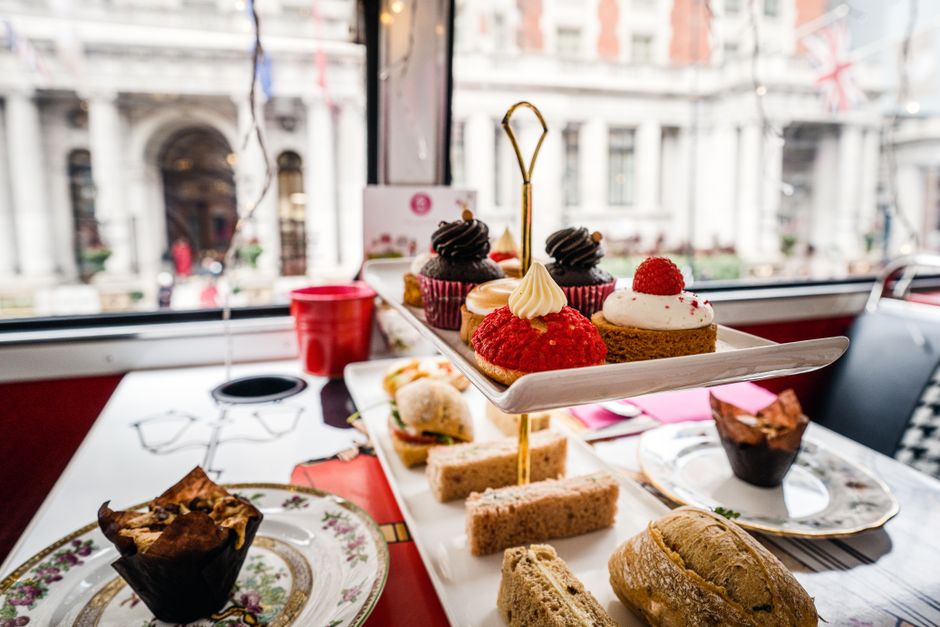
A traditional afternoon tea typically begins with a selection of finger sandwiches, which are usually crustless and cut into small, elegant shapes. Common fillings include cucumber and cream cheese, smoked salmon, egg and cress, and ham and mustard. These sandwiches are intended to be savoury and light, setting the stage for the sweeter courses to follow. The sandwiches are often arranged on a three-tiered stand, with the savoury items on the lower tier, scones in the middle, and pastries on the top.
Scones are a quintessential part of afternoon tea, served fresh from the oven and accompanied by clotted cream and strawberry preserves. The debate over the correct order of applying cream and jam—whether to spread cream first then jam, or vice versa—remains a topic of discussion among enthusiasts. The temperature and texture of the scone are also important; a good scone should be soft on the inside with a slightly crisp exterior. Finally, an assortment of pastries, such as éclairs, macarons, and fruit tarts, provide a sweet conclusion to the meal.
Understanding Tea Etiquette
Proper etiquette enhances the afternoon tea experience, reflecting respect for the tradition and the host. When enjoying tea, one should stir gently, without clinking the spoon against the cup, and avoid dunking the teabag if served in a pot. The saucer should remain on the table, with the cup lifted to drink. When savoring scones, it is customary to break them with your hands rather than cutting them with a knife. For sandwiches, they are eaten with the fingers, holding them delicately.
The art of small talk is also an integral part of the etiquette, as afternoon tea is as much about social interaction as it is about the food. It is polite to engage in conversation, listen attentively, and avoid controversial topics. Tipping is generally expected in hotels, typically around 10-15% of the bill if service is not already included. Understanding these subtleties can help guests navigate the experience with grace and confidence.
The Art of Tea Blending
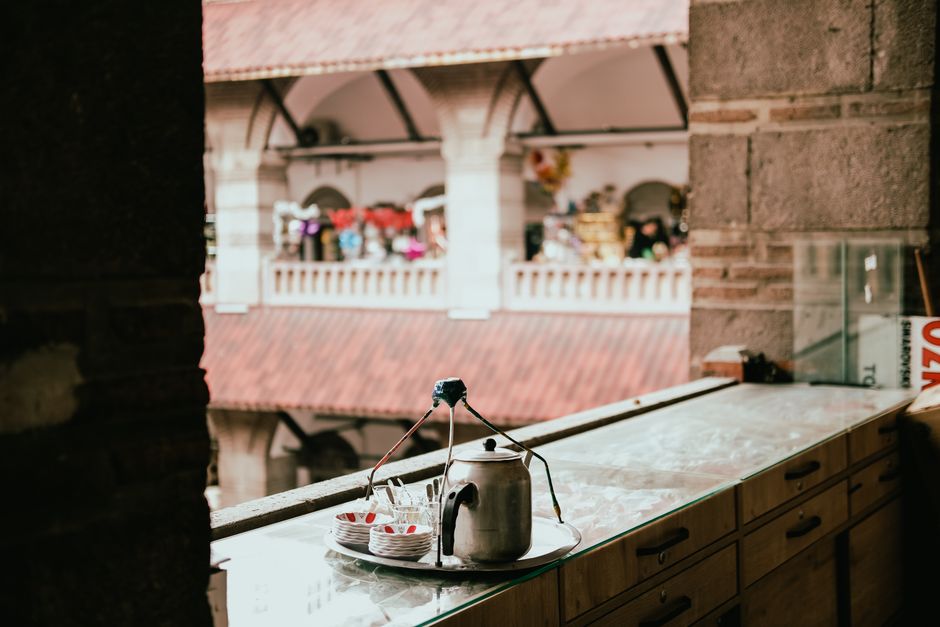
The selection of tea is a personal choice, and many venues offer a variety of blends to cater to different tastes. Earl Grey, with its distinctive bergamot flavor, is a classic choice. Darjeeling, known as the champagne of teas, offers a light and floral profile. Assam, a robust black tea, is favored for its malty richness. Some establishments also feature seasonal blends or house specialties that infuse teas with fruits, spices, or flowers.
Understanding the characteristics of different teas can enhance the pairing with food. A lighter tea, such as Darjeeling, may complement delicate sandwiches and pastries, while a stronger brew, like Assam, can withstand the richness of clotted cream. Many tea sommeliers are available to guide guests through the selection process, providing insights into the provenance and flavor notes of each blend. Whether one prefers a classic Earl Grey or an adventurous white tea, the choice should align with personal preferences and the occasion.
An afternoon tea is not merely a meal; it is an orchestrated experience that engages the senses and honors a centuries-old tradition.
Making the Experience Your Own
While tradition provides a foundation, the enjoyment of afternoon tea can be personalized to suit individual tastes and occasions. Celebrations such as birthdays, anniversaries, or even a casual get-together can be enhanced by adding a glass of Champagne or a selection of sparkling wines. Many venues offer special menus for children or those with dietary restrictions, ensuring that everyone can participate in the ritual.
The time of day also plays a role in the experience; afternoon tea is typically served between 3:00 PM and 5:00 PM, but some venues extend hours to accommodate early or late sittings. It is also common to see themed afternoon teas, such as those inspired by literature, art, or historical periods, which offer a unique twist on the classic. Ultimately, the key to a memorable afternoon tea lies in the attention to detail and the company one keeps.
In conclusion, afternoon tea in London is a multifaceted experience that combines history, culture, and gastronomy. By understanding the components, etiquette, and choices available, individuals can fully appreciate this delightful tradition. Whether one is a first-time visitor or a seasoned enthusiast, the journey through the world of afternoon tea is one filled with discovery and pleasure.