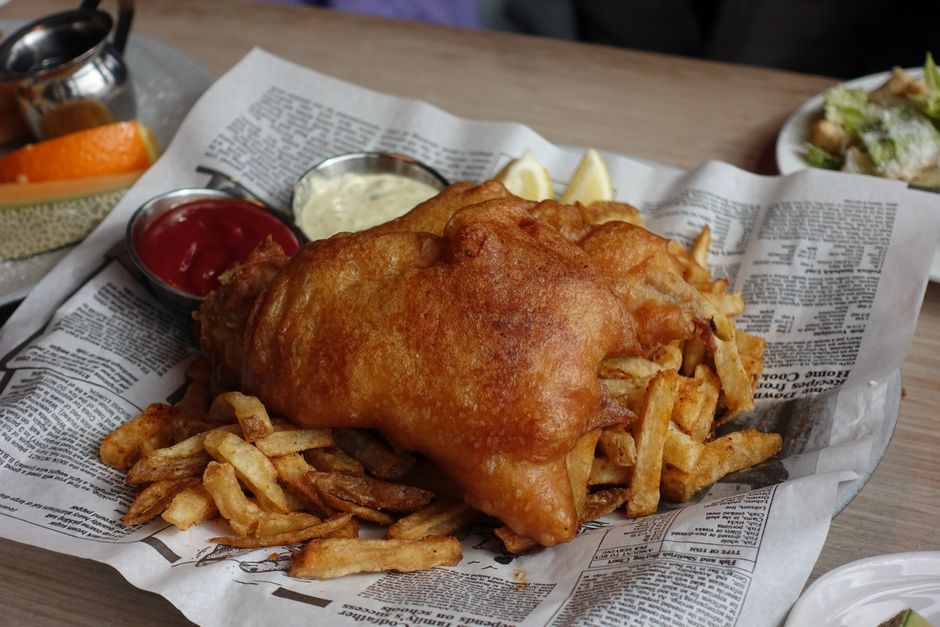
Fish and Chips: The Iconic British Dish
Fish and chips holds a unique place in British culinary culture, representing a tradition that has evolved over centuries. This dish, consisting of battered and fried fish served with thick-cut fried potatoes, has become synonymous with the United Kingdom, yet its journey from street food to national institution is both complex and fascinating. In this article, we will explore the historical roots of fish and chips, examine the factors that contributed to its rise, and consider its current status in modern Britain. We will also offer guidance on what to look for when visiting a chippy, ensuring that your experience aligns with the best practices of this beloved cuisine.
The origins of fish and chips are often debated, but most historians agree that the dish emerged in the mid-19th century, influenced by a combination of culinary practices. Fried fish, introduced by Jewish immigrants from Spain and Portugal, was commonly sold in London streets, while fried potatoes, or chips, had their own distinct lineage. The fusion of these two elements into what is now known as fish and chips is attributed to various entrepreneurial vendors, with claims pointing to both London and the north of England. Regardless of its exact birthplace, the dish quickly gained popularity, especially among the working class, due to its affordability and satisfying nature.
The Historical Evolution of Fish and Chips
During the Industrial Revolution, fish and chips became a staple for factory workers who required cheap, high-energy meals. The expansion of the railway network allowed fresh fish to be transported inland, while the development of steam-powered trawlers increased the availability of fish. Chips, made from potatoes, were also plentiful and inexpensive. Thus, the combination of fish and chips provided a nutritious and filling meal that could be bought for a few pennies. By the early 20th century, there were thousands of fish and chip shops across the UK, many of which were family-run establishments.
The two World Wars further cemented the dish’s role in British life. During World War I, fish and chips were not rationed, and they were considered essential for morale. In World War II, they were one of the few foods not rationed, and the government encouraged people to continue eating them as a way to maintain nutrition. This period also saw the introduction of the iconic wrapping in newspaper, though this practice later declined due to health and hygiene regulations.
Post-war, fish and chips faced competition from other fast foods, such as kebabs and pizza, but it remained a favourite. The late 20th century saw changes in eating habits and the rise of health consciousness, leading to innovations such as grilled fish and oven-baked chips. Despite these shifts, the traditional fried version retains its charm, and fish and chips continues to be a source of national pride.
Regional Variations and Preparation Methods
Across the UK, fish and chips are prepared with slight variations, reflecting local tastes and traditions. The type of fish used is a significant variable: cod and haddock are the most common choices, but regional preferences exist, such as plaice in the south and hake in some areas. The batter also varies; some use a simple flour and water mixture, while others add beer or sparkling water to achieve a lighter texture. The thickness and style of chips differ as well, with some regions favouring thin, crispy chips, while others prefer thicker, fluffier versions.
Another aspect that distinguishes chippies is the cooking method. Traditionally, fish is fried in beef dripping, which imparts a distinctive flavour, but many modern establishments use vegetable oil for health and dietary reasons. The temperature and duration of frying are crucial to achieve the perfect golden crust and moist interior. Chips are often double-fried for crispiness, and the seasoning, typically salt and malt vinegar, is applied according to the customer’s preference.
It is important to note that the quality of ingredients plays a pivotal role. Fresh fish, preferably sourced from sustainable fisheries, and high-quality potatoes are fundamental. The batter should be seasoned adequately, and the oil should be changed regularly to prevent off-flavours. These considerations contribute to the overall taste and are elements that discerning consumers look for when choosing a chippy.
Finding the Best Chippies in the UK
For those seeking an authentic experience, identifying a reputable chippy involves several factors. One approach is to consult local reviews and recommendations, as word-of-mouth remains a powerful indicator of quality. Additionally, many regions host annual awards, such as the National Fish and Chip Awards, which recognise excellence in various categories. These awards often consider aspects like sustainability, customer service, and the quality of the product.
When visiting a chippy, there are certain signs that suggest a high standard. The queue, for instance, can be a telling sign; a steady stream of customers often indicates a loyal following. The appearance of the fish and chips is also important: the batter should be crisp and golden, not greasy or burnt, and the fish should flake easily. The chips should be fluffy inside and crispy outside, and the overall aroma should be inviting without being overpowering.
It is also worth considering the atmosphere and service. Many traditional chippies retain a nostalgic decor, while others offer modern takes with gluten-free options or sustainable sourcing. Whether you prefer a sit-down meal or takeaway, the experience is part of the charm. Ultimately, the best chippy is subjective, but by focusing on freshness, cooking technique, and attention to detail, you can increase the likelihood of a satisfying meal.
How to Enjoy Fish and Chips Properly
Enjoying fish and chips goes beyond the mere act of eating; it involves appreciating the cultural rituals that surround the dish. One such ritual is the choice of condiments. Traditionally, salt and malt vinegar are added to chips, while the fish is often enjoyed with tartare sauce or a squeeze of lemon. Some regions prefer mushy peas, a side dish that complements the flavours well, though its inclusion varies.
The manner of eating also has social nuances. In many home settings, fish and chips are served on a plate with a fork and knife, but when eaten on the go, they are typically enjoyed straight from the paper wrapping—though this practice has become less common due to hygiene concerns. Nonetheless, there is something special about eating fish and chips by the seaside, where the salty air adds to the experience.
Additionally, the choice of beverage can enhance the meal. A cup of tea or a refreshing pint of ale are popular choices, but water or soft drinks are equally acceptable. The key is to savour the flavours and enjoy the moment, whether it be a quick lunch or a leisurely dinner.
Sustainability and Modern Trends
In recent years, the fish and chips industry has faced challenges related to sustainability. Overfishing has led to concerns about the availability of cod and haddock, prompting many chippies to source fish from certified sustainable fisheries. Certification bodies, such as the Marine Stewardship Council (MSC), provide guidelines for responsible fishing. Some establishments have also experimented with alternative fish species, such as pollock or coley, which are more abundant and similarly suited for frying.
Health considerations have also influenced the evolution of the dish. Some chippies now offer grilled fish or baked chips as lighter alternatives, and there is a growing demand for gluten-free batter options to accommodate dietary restrictions. However, these alternatives do not necessarily replace the traditional version; they simply provide choices for consumers.
Moreover, the industry has embraced technological advancements in cooking equipment, such as computerized fryers that maintain precise oil temperatures, and energy-efficient appliances to reduce environmental impact. These innovations help maintain consistency and quality while addressing operational costs.
Looking ahead, the future of fish and chips appears robust, as it remains a beloved food integral to British identity. The dish continues to adapt to changing times while preserving its heritage, ensuring that it will be enjoyed for generations to come.
“Fish and chips is more than just a meal; it is a cultural icon that reflects the resilience and adaptability of British cuisine.” – Britainia Insights
In conclusion, fish and chips embodies a rich history and a dynamic present. From its humble beginnings to its current status, the dish has evolved while retaining its essence. Whether you are a local or a visitor, exploring the world of fish and chips offers insight into the heart of British food culture. By understanding its history, appreciating regional variations, and knowing what to look for in a chippy, you can fully savour this iconic dish.