A Day in the Life: Everyday Habits of Brits
British daily life is often portrayed through a lens of stereotypes, yet the reality is a rich tapestry of routines and rituals that have evolved over centuries. From the first cup of tea in the morning to the reassuring familiarity of an evening at the local pub, these habits form the backbone of social interaction and personal well-being across the United Kingdom. Understanding these everyday practices offers a window into the values and priorities that shape British society—punctuality, politeness, and a deep appreciation for comfort and community.
This article explores the typical daily routines of Brits, from morning preparations to evening leisure, shedding light on the customs that may seem quaint to outsiders but are deeply meaningful to those who practice them. While individual habits vary, certain patterns emerge that reflect broader cultural norms. By examining these routines, one can gain insight into how Brits structure their day, prioritize their time, and engage with their surroundings.
Morning Rituals: The Importance of Tea and Breakfast
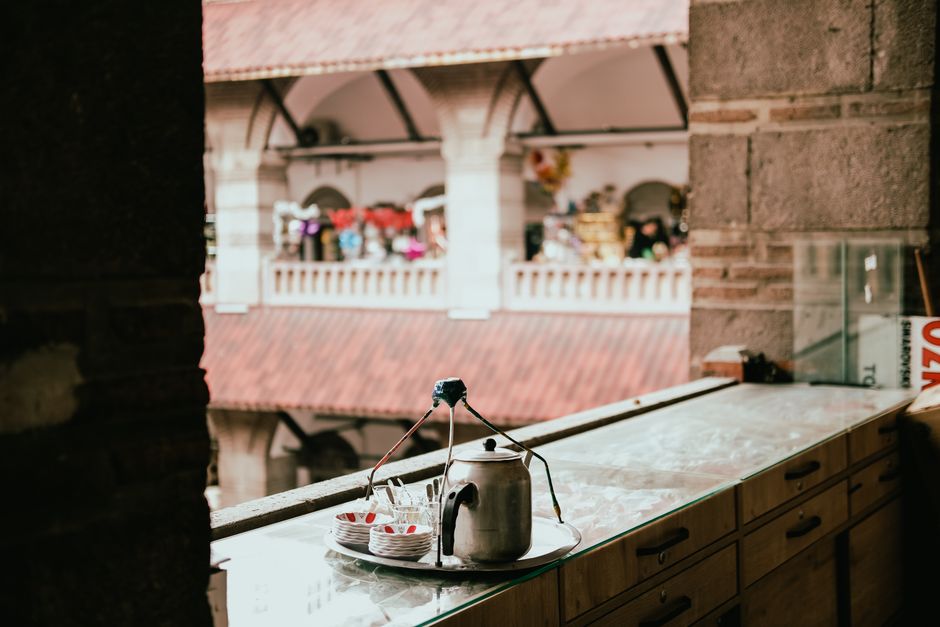
For many Brits, the day begins not with an alarm clock but with the anticipation of a hot beverage. Tea, often described as a national institution, plays a central role in morning routines. The preparation of tea varies from household to household, with debates over the perfect brew—loose leaf versus teabags, milk first or after—being common. According to a survey by the Tea and Infusions Organisation, approximately 100 million cups of tea are consumed in the UK every day, illustrating its significance. This morning ritual is not merely about caffeine; it is a moment of quiet before the day unfolds, a time to gather thoughts and prepare mentally for the tasks ahead.
Breakfast, while not as elaborate as in some cultures, is nonetheless a considered meal. The traditional full English breakfast—consisting of eggs, bacon, sausages, beans, tomatoes, and toast—is often reserved for weekends or special occasions due to its hearty nature. On weekdays, many Brits opt for quicker options such as cereal, toast, or porridge, especially during colder months. The shift towards healthier choices, like yogurt and fruit, has also influenced morning eating habits, reflecting broader health trends.
Commuting and the Workday Structure
After breakfast, a significant portion of the population commutes to work, whether by train, bus, car, or bicycle. The commute itself is a time for reading, listening to podcasts, or catching up on news, often facilitated by mobile devices. Punctuality is highly valued in British professional culture; arriving on time is seen as a sign of respect and reliability. Once at work, the day typically follows a structured schedule, with lunch breaks often taken between 12:30 and 2:00 PM. Many people bring their own lunch, a practice that has become more common due to cost concerns, while others visit nearby cafes or sandwich shops.
The workday itself is characterized by a certain formality, with clear hierarchies and communication protocols. Meetings are common, especially in office environments, and are typically conducted with an agenda. A notable aspect of British work culture is the afternoon tea break, which, though not as formal as the traditional afternoon tea, involves a short pause for a hot drink and a biscuit. This break serves as a social lubricant, fostering camaraderie among colleagues.
Afternoon Tea: A Timeless Tradition
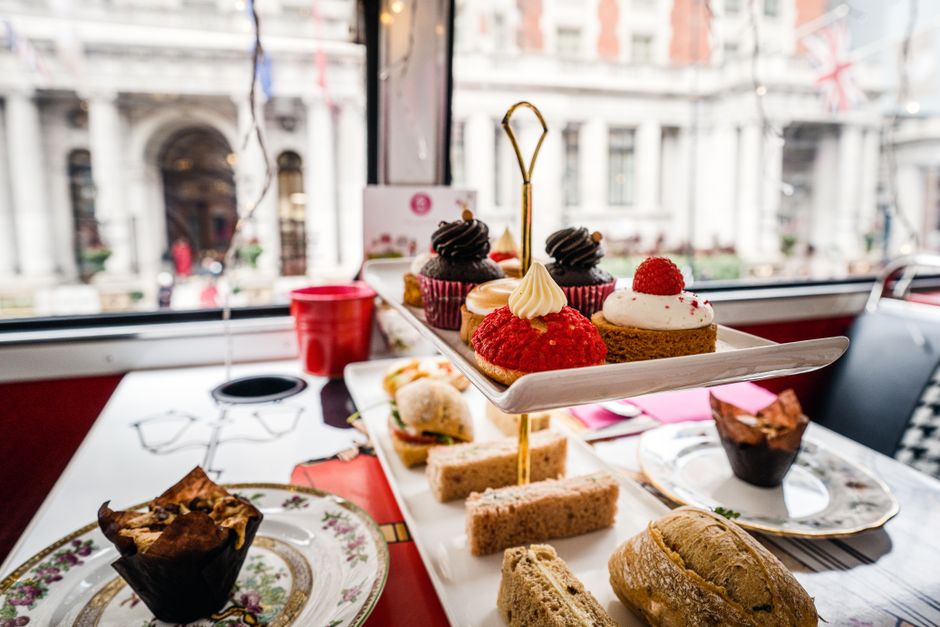
Although not a daily occurrence for most, afternoon tea holds a special place in British culture. This tradition, dating back to the 1840s, involves a light meal of sandwiches, scones with clotted cream and jam, and a selection of pastries, accompanied by tea. It is often enjoyed on weekends or for celebrations, and many tea rooms and hotels offer elaborate afternoon tea services. For those who cannot spare the time for the full experience, a simpler version—perhaps a cup of tea and a biscuit—is a common afternoon pick-me-up.
The ritual of afternoon tea is not merely about nourishment; it is a pause in the day to relax and socialize. It provides an opportunity to catch up with friends or family in a convivial setting. In recent years, there has been a resurgence of interest in this tradition, with modern variations including gluten-free options and themed teas, ensuring its continued relevance.
Evening Wind-Down: Dinner and Leisure
Evening meals in British households vary, but a typical dinner might include meat or fish, potatoes, and vegetables, with pasta and curry also being popular. The concept of a family dinner has shifted, with many individuals dining alone due to busy schedules, but weekend dinners often bring families together. Home-cooked meals are prized, yet ready-made convenience foods have carved out a niche for busy weeknights.
Leisure activities in the evening often revolve around relaxation and entertainment. Watching television remains a favorite pastime, with a wide array of programs from dramas to reality shows. Streaming services have introduced a new dimension, allowing viewers to binge-watch entire series. Reading also holds a strong following, with books being a common companion in the evening. For those who prefer more active pursuits, exercise classes or a visit to the gym are options, though these tend to be more prevalent among younger demographics.
Pub Culture: Socializing in the Local
Perhaps one of the most iconic British institutions is the pub, short for public house. For many, a visit to the pub after work or on weekends is a regular social activity. Pubs serve as communal gathering places where people from all walks of life come to unwind, catch up with friends, or simply enjoy a drink alone without feeling out of place. The atmosphere is typically relaxed, with a warm fireplace in winter and beer gardens in summer. The types of drinks range from ales and lagers to wines and spirits, but the quintessential tipple is a pint of beer.
Pubs often host quizzes, live music, and other events, making them hubs of local community life. The concept of a ‘local’—a pub close to one’s home where one is recognized as a regular—holds a special charm. This sense of belonging is central to the pub experience, offering a space that is neither work nor home but a third place where social bonds are strengthened. While pub attendance has seen a decline in recent years, they remain a fundamental part of British social fabric.
Understanding British daily life is more than observing a series of actions; it is about appreciating the understated values of ceremony, community, and civility that underpin these routines.
Seasonal Variations and Special Occasions
British habits are not static; they adapt to the changing seasons and special occasions. In summer, evenings might extend into late night barbecues or visits to local parks. Winter brings a shift towards indoor activities, with the festive season of Christmas playing a significant role. Celebrations such as Bonfire Night, Halloween, and Easter bring about temporary customs that alter the daily rhythm. The weather, notoriously unpredictable, also influences decisions, from the choice of clothing to the feasibility of outdoor plans.
Special occasions, such as birthdays and weddings, often involve gatherings that highlight the longstanding traditions of the country, from toasts to ceremonial dishes. These events are marked by a certain formality and adherence to social etiquette, which many appreciate as a sense of continuity and identity.
In conclusion, the daily habits of Brits are a mosaic of enduring traditions and adaptive behaviors. From the quiet solitude of a morning tea to the convivial buzz of the pub, these routines offer a glimpse into a culture that values balance, community, and a pleasant pace of life. While modernization and globalization have introduced changes, the essence of these habits persists, providing a reassuring anchor in an ever-changing world. Observing these practices not only enriches one’s understanding of Britain but also reveals universal human needs for ritual, connection, and comfort.